

Three people graduate from county drug court
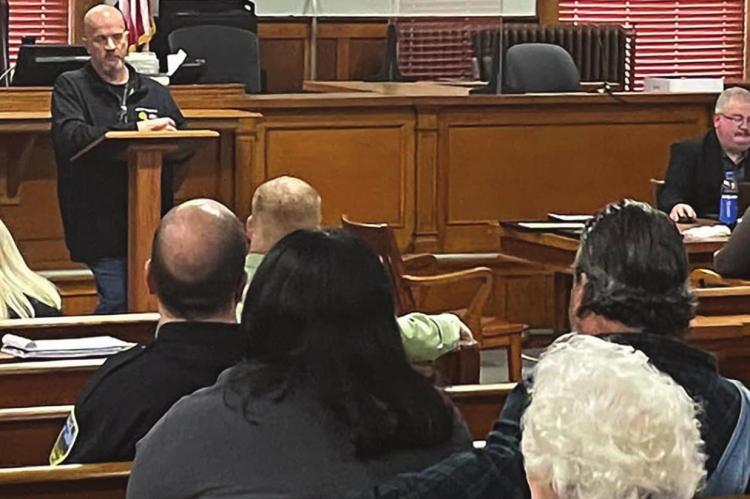
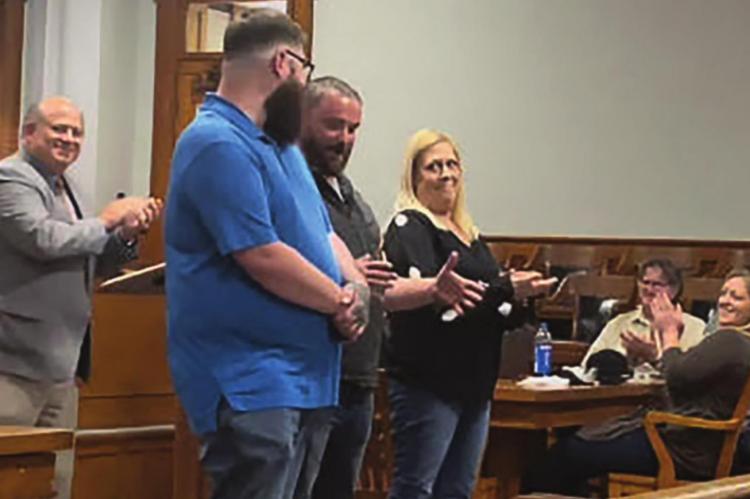
RICHMOND – Friends and family, advisors and other drug court members applauded Thomas Hupp, Lloyd Conklin and Kimberly Boude upon graduation April 29 from the Ray County Drug Court.
Started in 2005, the court is a program funded by the Clay Platte Ray Mental Health Tax Levy to help people get clean after committing a drug-related felony, pleading guilty and being placed on probation.
They must be referred by an official – such as a judge, probation officer or defense attorney – to join the 16- to 24-month program.
“The idea being that, if they get that (treatment) and get clean, that is going to bleed over into all the other disciplines where they aren’t going to be committing crimes anymore or getting in trouble; they are going to be employed and pay their bills,” Presiding Judge Kevin L. Walden said. “If you over-incarcerate folks with substance abuse issues, not only does it not help their substance abuse issues, it actually increases the likelihood that they will create more offenses in the future.”
Treatment includes group sessions, community service and self-help programs. There have been 29 graduations and 172 graduates since 2005.
The graduation ceremony started with remarks by Walden and Prosecuting Attorney Camille Johnston.
“If you get through this program and you get to this day, you’ve achieved something. You have every right to be proud,” Walden said.
Walden has helped with the program for about four years.
Graduation also included guest speaker Chad Judd, a 2018 drug court graduate. He told graduates their journey to get clean had not ended and they needed to continue to work. Since he graduated, he listed his main accomplishments as buying a house, getting a promotion at work and being less stressed.
Before receiving diplomas, graduates discussed how long they had been clean, their lows and highs, and their achievements.
Lloyd Conklin talked about when going through drug court made a difference in his life.
“When it clicked. When everything clicked – that what I am doing is right. … It was eye-opening,” he said.
Conklin said he wanted to continue to work on his recovery and help others do the same.
